Sep. 01, 2026
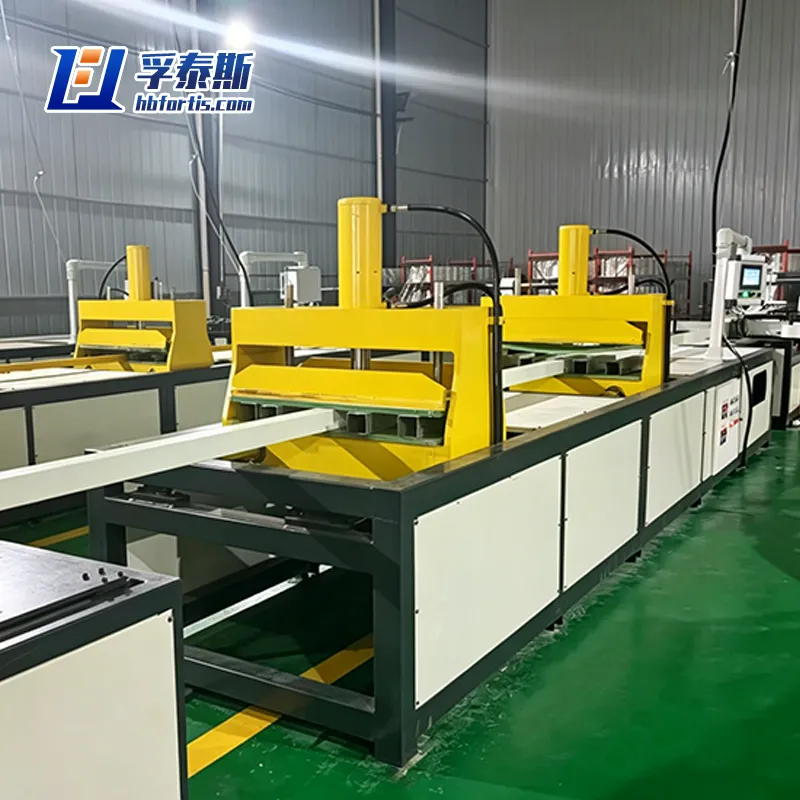
In coastal and marine environments, corrosion is a significant challenge that traditional steel rebar faces, leading to costly repairs and structural failures. Users typically seek solutions that are durable, lightweight, and resistant to aggressive environmental conditions. This is where Glass Fiber Reinforced Polymer (GFRP) rebar shines. Utilizing FRP Pultrusion Production Line technology, GFRP offers up to 70% less weight than steel, significantly reducing transportation and labor costs while enhancing structural integrity. Marine engineers like John Smith from Coastal Constructions have reported that by switching to GFRP rebar, they were able to extend the lifespan of marine structures by over 50% while reducing maintenance costs by approximately 40%.
Before you start with GFRP rebar in your marine concrete projects, here’s what you need to prepare:
Follow these actionable steps to effectively use GFRP rebar in your marine projects:
While implementing GFRP rebar, here are some common errors and best solutions:
In conclusion, using GFRP rebar in coastal and marine concrete structures is a game-changer in reducing corrosion and extending the lifespan of critical infrastructure. Users facing challenges with traditional materials can find a robust solution in GFRP rebar. For optimal results, be sure to follow the preparation and implementation steps meticulously. Brands like Fortis are leading the way in providing quality GFRP products and support for engineers and contractors.
Q1: What is GFRP rebar?
A1: GFRP rebar is a composite material made from glass fibers and is used as a reinforcing element in concrete structures, offering superior corrosion resistance.
Q2: How does GFRP compare to traditional steel rebar?
A2: GFRP rebar is up to 70% lighter, non-corrosive, and has a tensile strength of about 80,000 psi versus steel's 60,000 psi, making it a superior choice for harsh environments.
Q3: Can GFRP rebar be used in all types of concrete structures?
A3: While GFRP rebar is excellent for coastal and marine applications, consult with a structural engineer to determine its suitability for specific project requirements.
Contact us immediately to discuss your product project requirements
Navigation
Navigation
Contact Us
Tel.: +86 189 3266 2725
E-mail: sale@hbfortis.com
Add.: No.8-1, Zhenxing Street, Matun Town, Zaoqiang County, Hengshui City, Hebei Province
Get in Touch
Get in Touch