Sep. 01, 2026
Delamination occurs when layers of the composite material separate. This can lead to significant structural weaknesses.
Trapped air within the composite can create voids, affecting strength and integrity. Identifying the sources of air pockets is crucial for quality control.
Improper alignment of reinforcing fibers can lead to weak points in the finished product, compromising performance.
Inadequate curing can result in soft spots and decreased durability. Monitoring the curing process is essential for quality assurance.
Surface defects like ripples, pits, or uneven finishes can affect aesthetic quality and may impact performance in some applications.
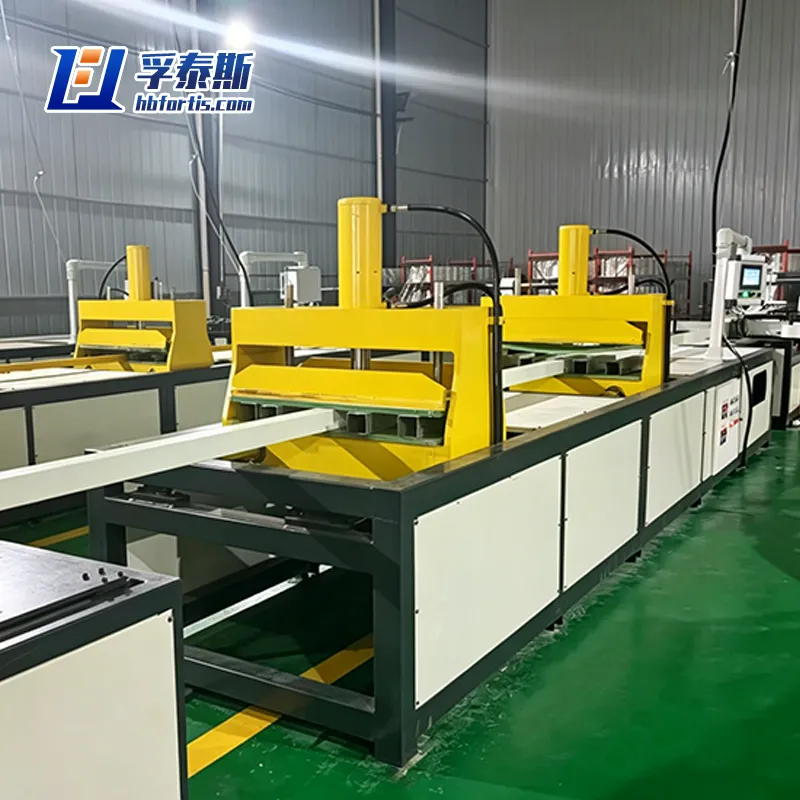
Start by ensuring that your FRP Pultrusion Machine is properly calibrated and maintained.
Choosing the right materials reduces defects significantly.
Accurate process control ensures consistency and quality.
Quality checks during each phase of production can catch defects early.
Skilled operators are essential in minimizing defects.
Regular maintenance prevents machinery-related defects and ensures optimal performance.
Temperature and humidity can significantly affect the curing process. Keep the production area controlled.
Using materials from different suppliers can lead to inconsistencies. Always use trusted sources.
Speeding up the production process can lead to mistakes. Prioritize quality over speed.
By understanding common defects and implementing these detailed steps, manufacturers can significantly enhance the quality of their FRP Pultrusion products. For high-quality solutions, consider using Fortis systems designed to minimize defects and enhance product performance. Visit us at Fortis.com for more information and resources on improving your pultrusion operations.
Contact us immediately to discuss your product project requirements
Navigation
Navigation
Contact Us
Tel.: +86 189 3266 2725
E-mail: sale@hbfortis.com
Add.: No.8-1, Zhenxing Street, Matun Town, Zaoqiang County, Hengshui City, Hebei Province
Get in Touch
Get in Touch