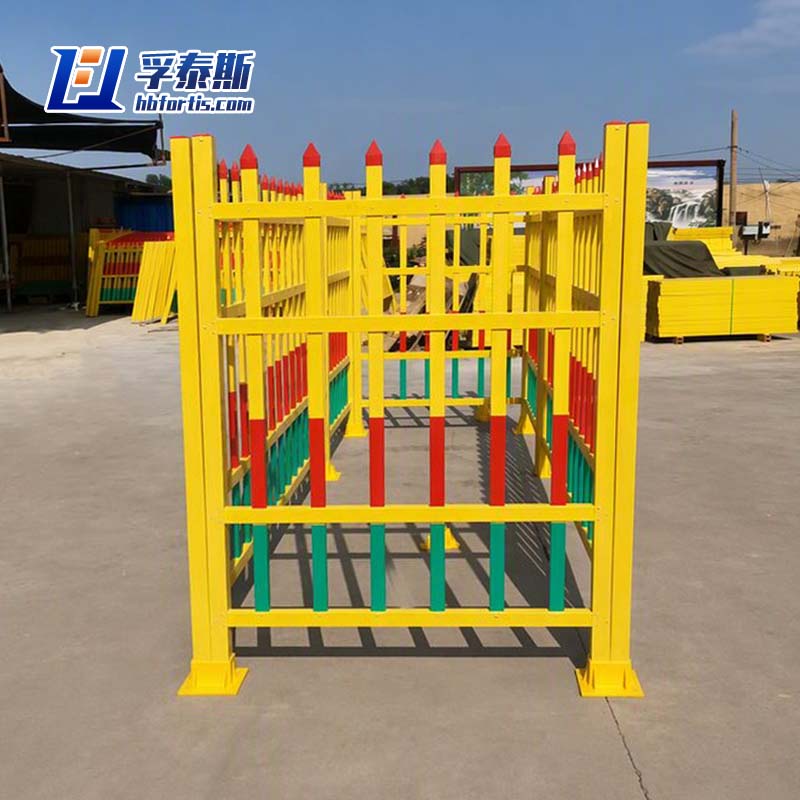
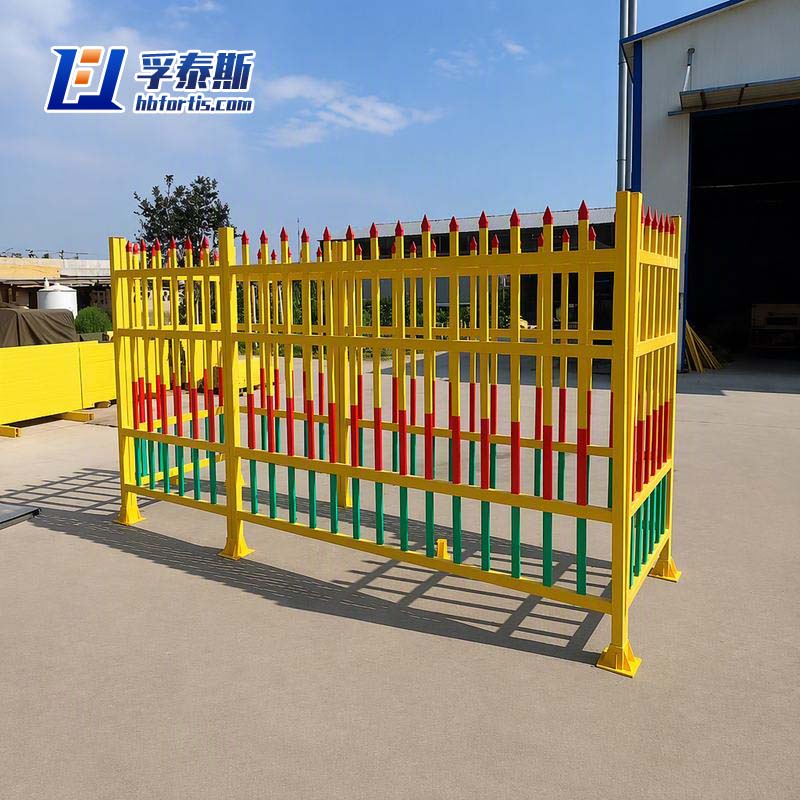
We are a China-based FRP fence factory supplying exporters, contractors, and project buyers with direct-from-production pricing. Our fiberglass fences are engineered for environments where steel rusts and wood rots — coastal resorts, chemical processing zones, solar installations, and wastewater treatment sites. With UV-stable resins, high tensile strength, and zero conductivity, our panels pass rigorous export inspections and ship worldwide. Whether you need container-load orders or customized profiles, our team handles production, packaging, and documentation under one roof. Partner with us to cut middleman costs and secure consistent quality for your next FRP fencing project.As a factory-direct FRP fence supplier in China, we serve importers, distributors, and EPC contractors who need reliable fiberglass fencing for coastal, chemical, and solar farm applications. Our production line combines pultrusion and molded grating processes, allowing us to control quality from raw resin to finished panels. Every order ships with export-grade packaging, test reports, and full documentation support. If you are sourcing FRP fences for resale or project use, we offer stable lead times, OEM profiles, and competitive FOB pricing — all without third-party markups.

Hebei Fortis Technology Co., Ltd Product Brochure
Product Advantages
Superior Corrosion Resistance for Harsh Environments
FRP fence outperforms traditional steel, wood, and aluminum in environments where moisture, salt, and chemicals cause rapid deterioration. Unlike galvanized steel that rusts from the inside out, or wood that swells and rots after repeated rain exposure, fiberglass reinforced plastic remains structurally intact even after years of contact with seawater, acid rain, fertilizer runoff, and industrial fumes. This makes it the preferred choice for coastal resorts, chemical plants, wastewater treatment facilities, and marine docks — locations where replacing a fence every few years is simply not an option.
Non-Conductive and Electrically Safe
Because FRP is a composite of glass fibers and polymer resin, it does not conduct electricity. This property is critical for solar farms, electrical substations, power plants, and railway corridors, where metal fencing creates grounding hazards and interference risks. FRP fence eliminates the need for additional insulation, reduces the risk of short circuits, and complies with safety standards that restrict conductive materials near high-voltage equipment. For project engineers, this means one less safety variable to manage during installation and long-term operation.
Lightweight Yet High in Tensile Strength
Despite weighing roughly one-quarter of comparable steel fencing, FRP fence delivers impressive mechanical strength thanks to its pultruded fiber orientation. A single worker can carry and position standard panels without heavy lifting equipment, which shortens installation time and lowers labor costs on remote or difficult-to-access sites. At the same time, the material absorbs impact and flexes under load rather than permanently deforming, making it suitable for high-traffic industrial zones, highway barriers, and perimeter security applications where durability and ease of handling must coexist.
Application Scenarios
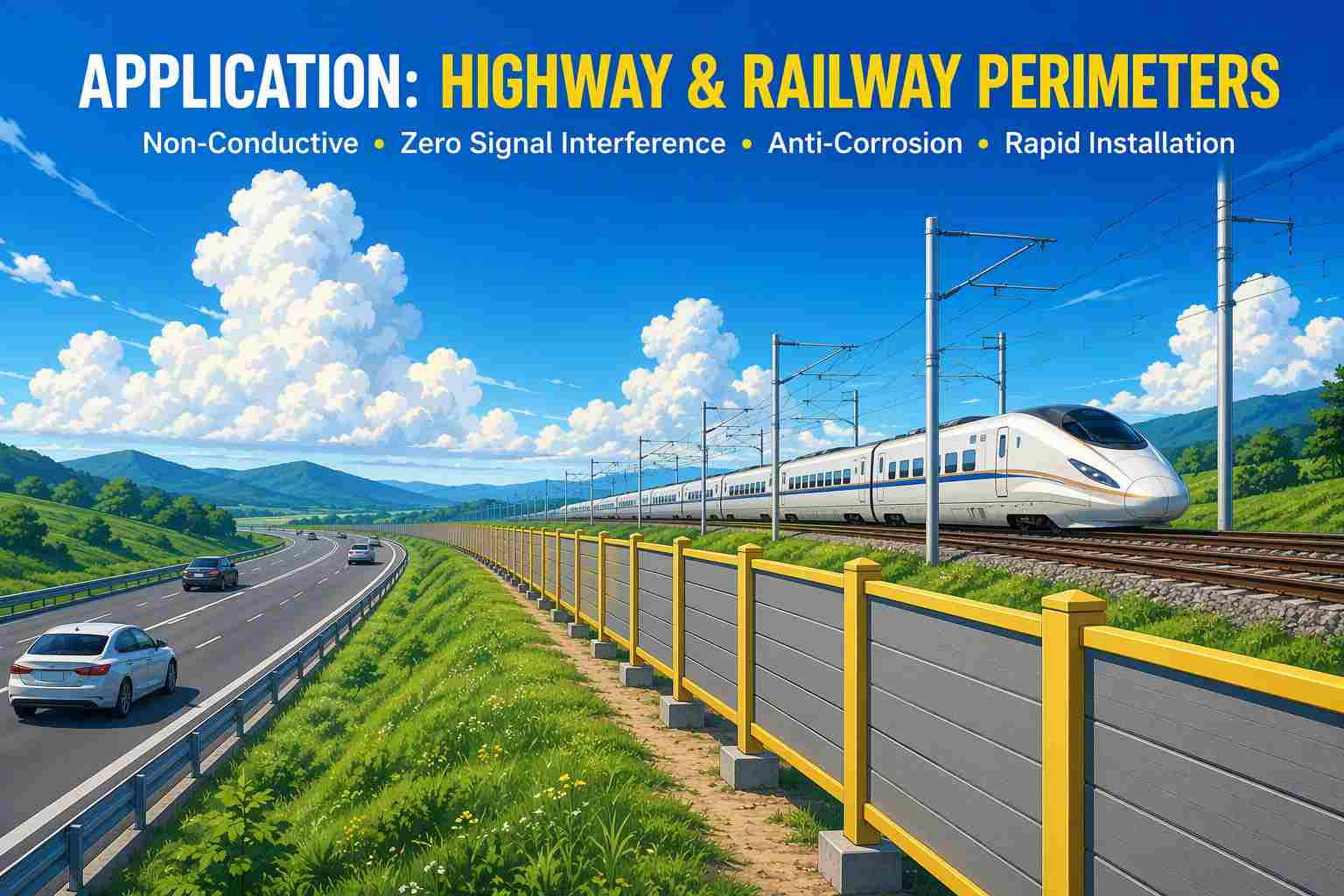
FRP fence is used along highway and railway perimeters as a durable, low-maintenance barrier that can be installed in long continuous runs. The panels are lightweight, non-conductive, and resistant to vehicle exhaust, road salt, and vibration, and they can be assembled with standard hand tools without welding or hot work. It solves the problem of steel fencing corroding from de-icing salts and requiring lane closures for repainting or replacement, and it avoids the signal interference that metal fencing can cause near railway traction power and signaling systems. The real value for transport authorities is faster installation during short possession windows, fewer maintenance callouts, and a perimeter that maintains structural integrity in high-wind and freeze-thaw conditions.
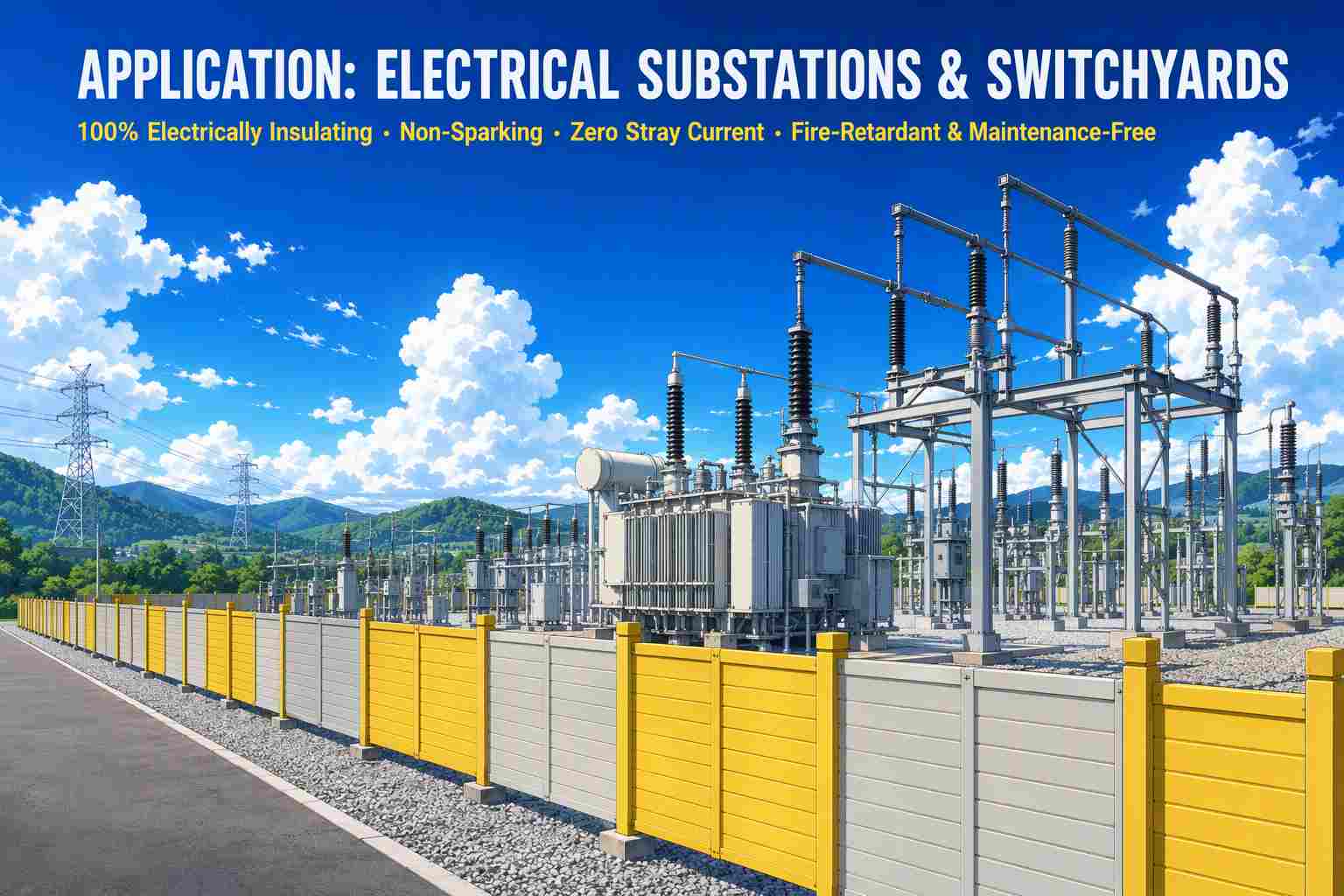
FRP fence is deployed around electrical substations, switchyards, and battery storage sites as a safety perimeter that is electrically insulating and non-sparking. The fence is made from non-conductive fiberglass profiles, often with fire-retardant resin, and is installed on independent posts to avoid creating a grounding path. It solves the serious problem of metal fencing conducting stray current, creating shock risk for personnel, and interfering with protective relaying and grounding design. The practical value is compliance with utility safety specifications, reduced risk during live-line maintenance, and a fence that does not require periodic rust treatment, which lowers long-term maintenance costs and avoids hot-work permits inside energized facilities.
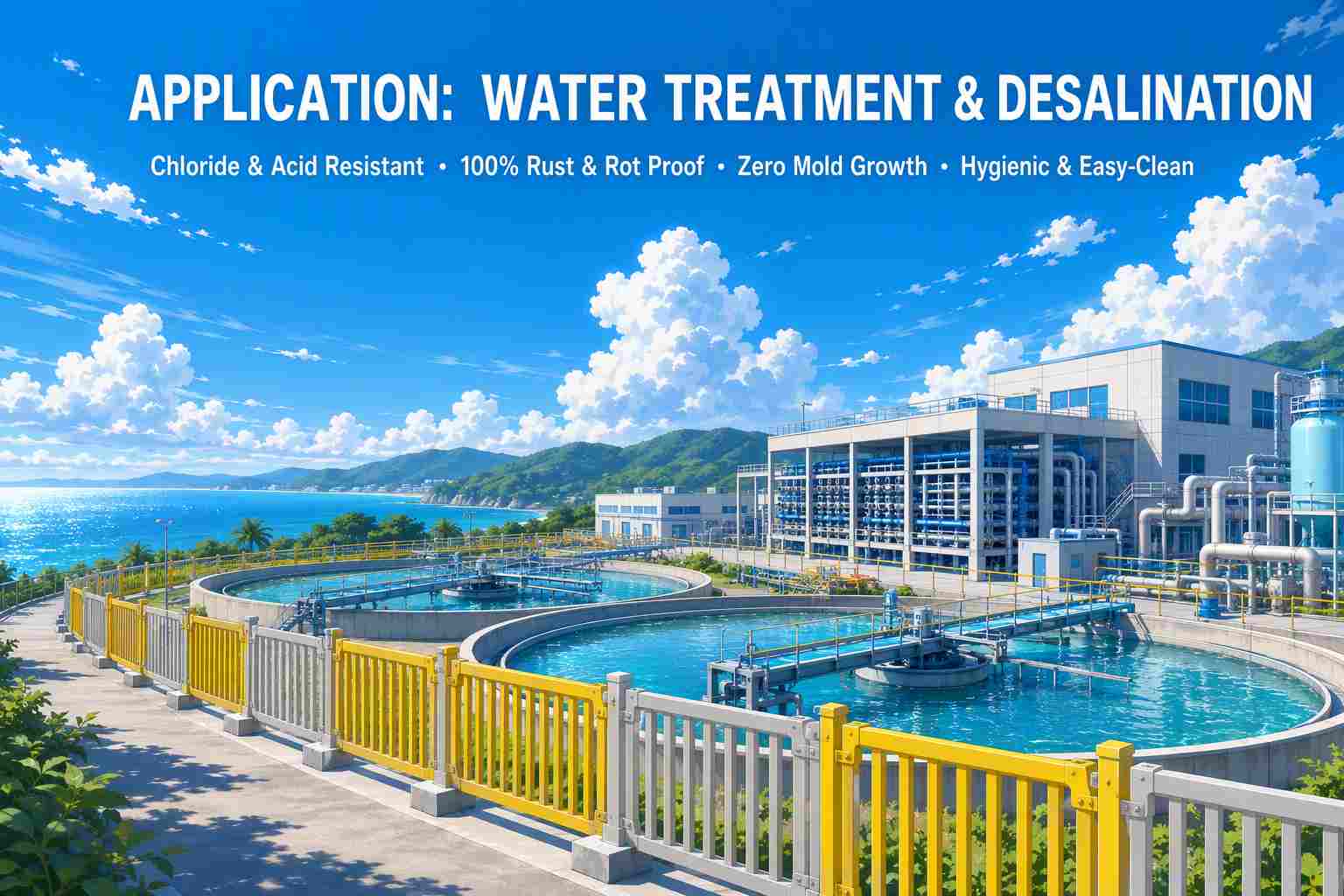
FRP fence is installed around water treatment and desalination plants, including clarifier areas, chemical storage zones, and membrane buildings. The fence resists chlorides, acids, and constant moisture, and it will not corrode, rot, or support mold growth like wood or coated steel. It solves the problem of conventional fencing failing rapidly in aggressive chemical and humid environments, which creates security gaps and repeated replacement costs. The real value for plant operators is a perimeter that maintains security and appearance in harsh conditions, reduces shutdown time for fence repairs, and supports hygiene and safety audits because it is easy to clean and does not harbor bacteria or rust particles.
Parameter Specifications
|
|
||
|
Model |
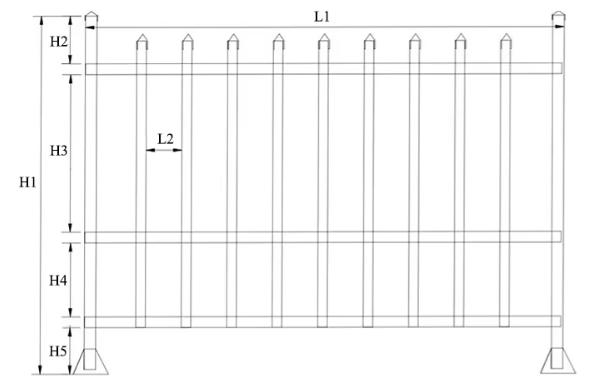
Dimension(mm)H1×H2×H3×H4×H5 |
Dimension(mm)L1×L2 |
|
FT-F |
Customized |
Customized |
Related Products

Fiberglass GRP FRP Fence for Warehouse Perimeters Factory-Direct Manufacturer
Factory-direct FRP fence exporter serving coastal, chemical and solar sites. Corrosion-proof, non-conductive, UV-stable. Custom specs, bulk pricing, fast quotes.

Fiberglass GRP FRP Fence for Industrial Parks from China Direct Factory Supplier
China factory-direct FRP fence exporter. Corrosion-proof for coastal farms, chemical plants & solar sites. Bulk supply, fast shipping. Get a quote today.

FRP Fence for Solar Farms & Coastal Resorts | China Factory Exporter
China factory exporter of FRP fence for solar farms, coastal resorts, and highway perimeters. Direct supply, custom colors, UV-stable fiberglass. Request a quote.

Fiberglass GFRP FRP Fence for Chemical Plants Coastal Warehouses to made in China
Heavy-duty FRP fence panels resist salt spray, acids, and UV rays. Ideal for perimeter security in wastewater treatment, marinas, and power substations. 25-year service life. Get layout-based quote.
Contact us immediately to discuss your product project requirements
Navigation
Navigation
Contact Us
Tel.: +86 189 3266 2725
E-mail: sale@hbfortis.com
Add.: No.8-1, Zhenxing Street, Matun Town, Zaoqiang County, Hengshui City, Hebei Province
Get in Touch
Get in Touch